













 Algeria
  Bahrain
  Egypt
Egypt  Iran
Iran  Iraq
Iraq  Israel
  Jordan
  Kuwait
  Lebanon
  Libya
Libya  Morocco
  Oman
Oman  Palestine *
  Qatar
Qatar  Saudi Arabia
  Syria
Syria  Tunisia
  United Arab Emirates
 EGYPES 2026 advancing hydrogen delivery in the Mediterranean


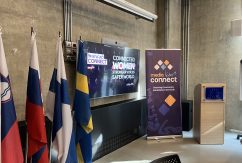
At EGYPES 2026 in Cairo, regional and international energy leaders gathered at a pivotal moment for the future of energy cooperation across the Mediterranean and the wider MENA region. Discussions across the Strategic Conference and the Energy Connects Studio interviews confirmed a shared message: the hydrogen transition is moving from ambition to implementation.
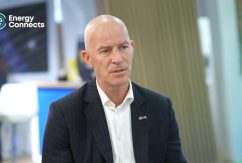
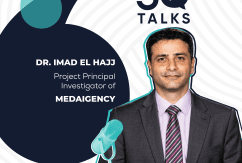
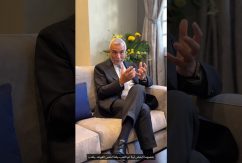
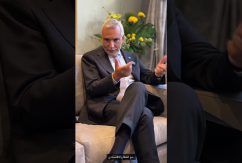
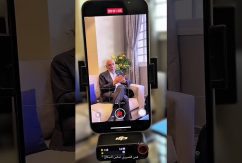
Among the key voices shaping this debate was Frank Wouters, Chairman of the MENA Hydrogen Alliance and Director of the MED-GEM Network. He emphasised that current geopolitical uncertainty should be understood not only as a challenge for energy security, but also as a strategic opportunity to accelerate the transition towards more resilient and diversified energy systems. His message highlighted three priorities: reducing energy waste, scaling domestic renewable energy production, and accelerating the shift towards clean fuels.
These themes were further explored during the Strategic Conference session on hydrogen delivery, where Frank Wouters joined Ahmed El-Hoshy, Chief Executive Officer of Fertiglobe, and Terje Pilskog, Chief Executive Officer of Scatec ASA, in a discussion moderated by John Defterios, Board Member of Sustainable Energy for All. The session focused on how to translate hydrogen strategies into bankable projects through enabling infrastructure, regulatory clarity, secure off-take arrangements, and strong international partnerships.
Egypt featured prominently throughout the discussions. Building on its 2024 National Low-Carbon Hydrogen Strategy and strengthened by a €30 million grant agreement supporting cooperation aligned with the REPowerEU Plan, the country is increasingly positioning itself as a strategic bridge between Mediterranean production potential and European demand.
For the MED-GEM Network, this momentum confirms the importance of regional cooperation in moving from planning to delivery. Hydrogen progress in the Mediterranean will depend not only on political ambition, but on practical enablers such as infrastructure readiness, skilled workforces, regulatory alignment, and stronger local value chains.
EGYPES 2026 demonstrated that the regional hydrogen conversation is entering a new phase. From strengthening energy security to supporting industrial competitiveness and export opportunities, the next stage of the transition will be shaped by partners ready to move decisively from intent to implementation.
Countries covered:
-
 Egypt
Egypt