















 Algeria
  Bahrain
  Egypt
Egypt  Iran
Iran  Iraq
Iraq  Israel
  Jordan
  Kuwait
  Lebanon
  Libya
Libya  Morocco
  Oman
Oman  Palestine *
  Qatar
Qatar  Saudi Arabia
  Syria
Syria  Tunisia
  United Arab Emirates
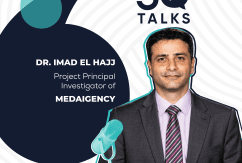
 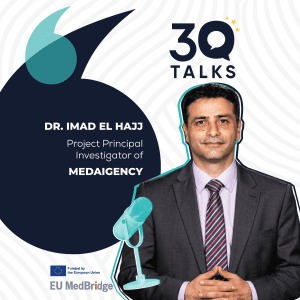 Dr. Imad El Hajj, Professor in the Department of Electrical and Computer Engineering and Associate Dean for Academic Transformation at the Maroun Semaan Faculty of Engineering and Architecture at the American University of Beirut, and Project Principal Investigator of MEDAIGENCY, shares insights into how this EU-funded regional project under the Interreg NEXT MED Programme uses artificial intelligence to strengthen emergency health response systems across the Mediterranean and the opportunities it offers young people to engage with innovation and crisis preparedness.
- What is MEDAIGENCY, and what impact does it aim to achieve?
MEDAIGENCY is an EU-funded regional project under the Interreg NEXT MED Programme that brings together partners from Lebanon, Palestine, Türkiye, Italy, and Spain to strengthen how health systems prepare for, respond to, and recover from emergencies. MEDAIGENCY responds to the growing challenges communities face across the Mediterranean, such as conflict, displacement, climate-related disasters, and pressure on public services. In these situations, health systems often have to operate with limited information and make difficult decisions under pressure. The project addresses these gaps by developing AI-powered solutions that support faster, smarter, and more coordinated emergency response. But beyond the technology itself, MEDAIGENCY is about helping institutions make better decisions, improving communication, strengthening preparedness, and ultimately protecting people during crises. A strong focus is also placed on ethics, stakeholder engagement, and long-term adoption, to ensure the tools developed are trusted, practical, and sustainably integrated into real emergency response systems across the region.
- What activities, initiatives or opportunities should young people know about?
Through MEDAIGENCY, students, young professionals, researchers, developers, and entrepreneurs can engage in activities such as hackathons, internships, training opportunities, workshops, and innovation challenges focused on AI, health, and crisis response. One of the most exciting initiatives so far has been the AI4Purpose hackathons organized across several Mediterranean countries. AI4Purpose brought together more than 235 participants from different backgrounds to work on solutions that can support health systems during emergencies. Beyond these activities, the project also creates opportunities for young people to contribute their ideas, build new skills, connect with experts from different countries, and be part of conversations around ethics, technology, and public health.
- What advice do you wish you had received at 20?
At 20, it is difficult to pin-point what it takes to be successful. In reality, some of the most valuable opportunities come from being open to learning, trying different things, and saying yes to experiences that may seem outside the original plan. So, stay curious, build connections, and keep developing skills that matter like communication, teamwork, critical thinking, and adaptability. Technology is changing quickly, but human qualities remain the core and the foundation of change. The people who make the greatest impact are often those who know how to connect ideas, work with others, and stay grounded in the needs of communities.