


 Algeria
  Bahrain
  Egypt
Egypt  Iran
Iran  Iraq
Iraq  Israel
  Jordan
  Kuwait
  Lebanon
  Libya
Libya  Morocco
  Oman
Oman  Palestine *
  Qatar
Qatar  Saudi Arabia
  Syria
Syria  Tunisia
  United Arab Emirates
  Yemen
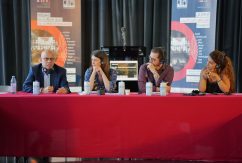
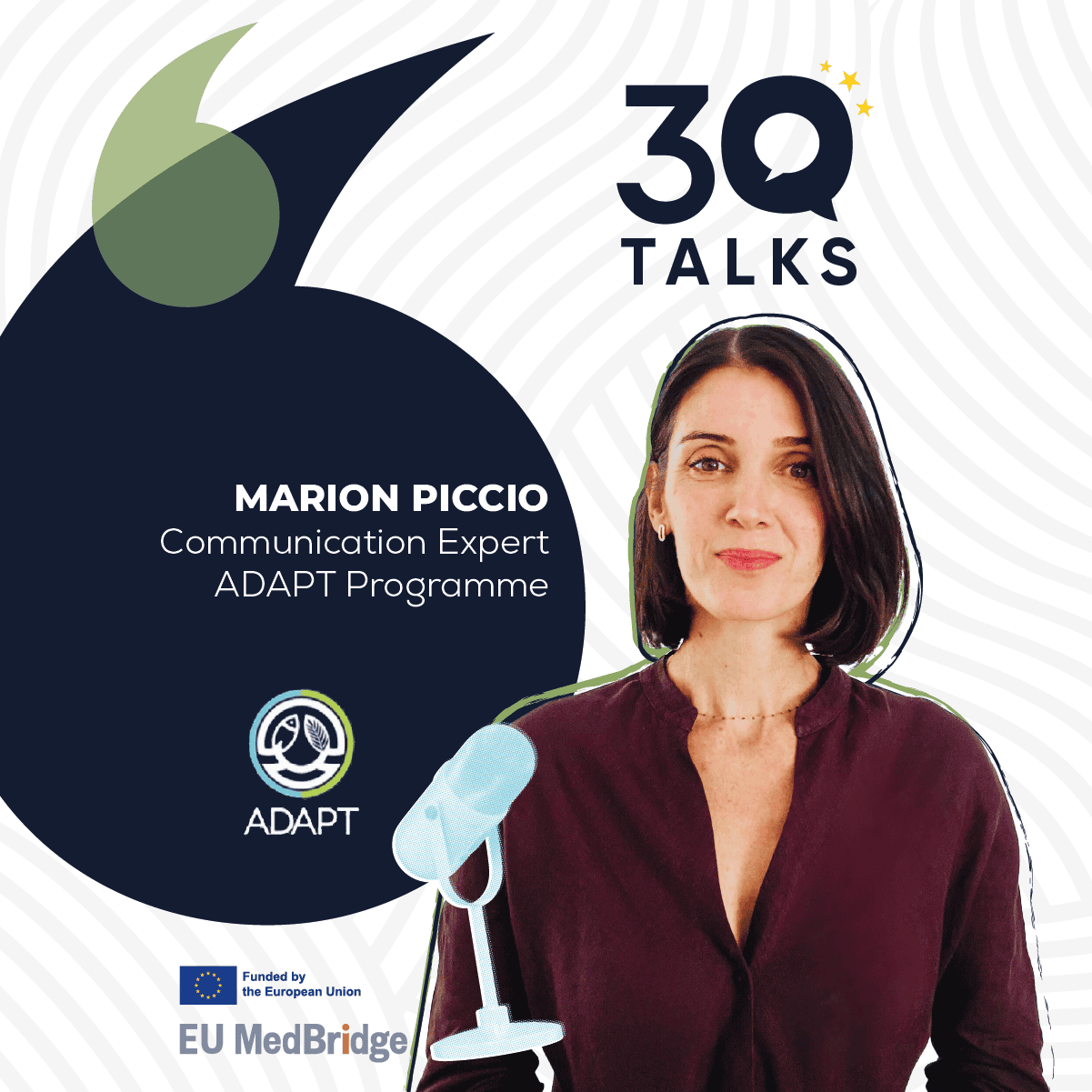
Yemen 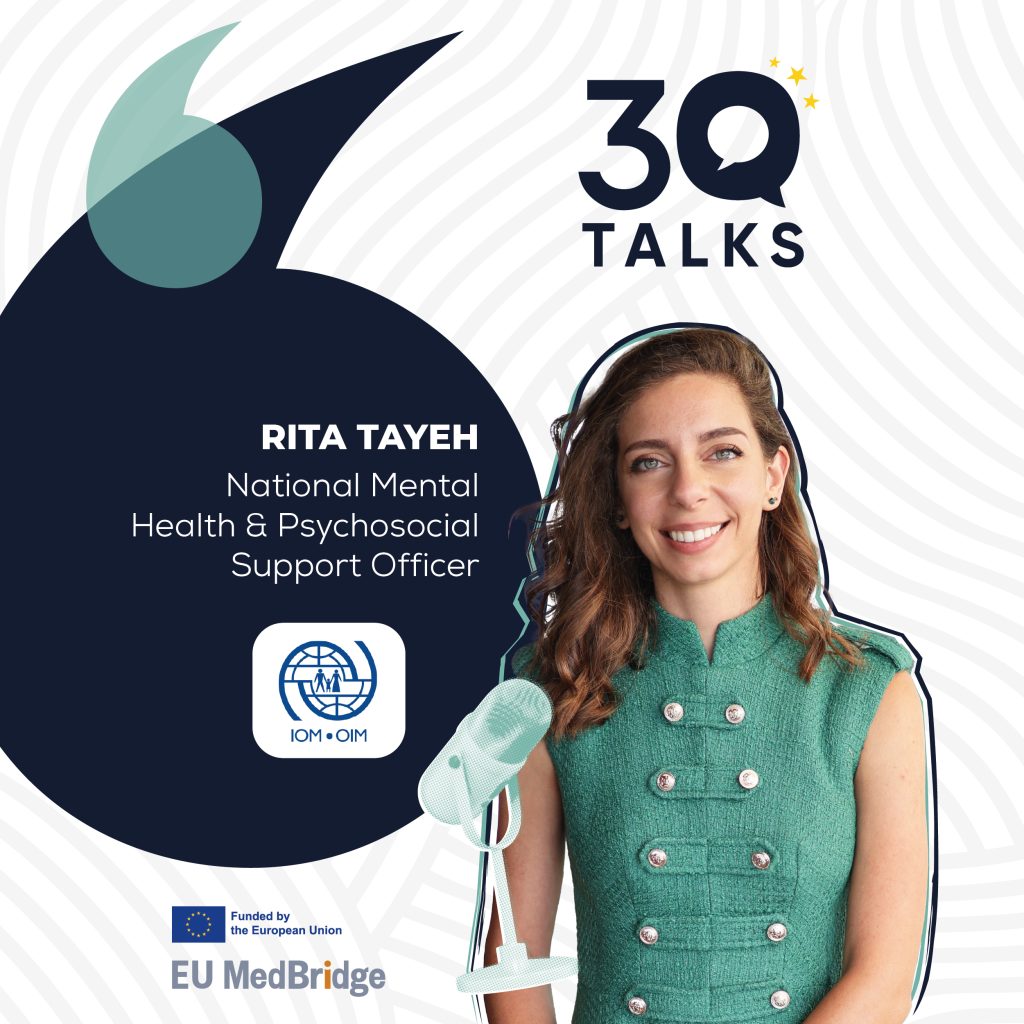 Rita Tayeh, National Mental Health and Psychosocial Support Officer at International Organization for Migration in Lebanon, speaks about an European Union-funded initiative supporting individuals and communities affected by conflict and displacement. She highlights how the project expands access to mental health and psychosocial support services, creates opportunities for young people to engage and build resilience, and helps strengthen trust and social cohesion across communities.
- What is the project about, and what impact does it aim to achieve?
“Promoting Individual and Communal Mental Health, Psychosocial Well-being and Social Cohesion in Displaced Communities of Lebanon” is an EU-funded project that aims at mitigating the psychosocial impact of the conflict on affected communities, families and individuals across Lebanon by strengthening their resilience and enhancing their well-being. Implemented by the International Organization for Migration (IOM) with local partners, the project responds to the multiple overlapping crises affecting people in Lebanon, which continue to strain mental health, social cohesion, and communities’ ability to recover, especially as many are still dealing with the impact of the conflict that escalated less than two years ago. It expands access to mental health and psychosocial support, particularly for displaced populations, while strengthening the capacity of frontline actors and communities to identify distress early and connect people to appropriate services. Overall, the project aims to support individuals in coping with ongoing challenges while helping communities rebuild trust and reinforcing local systems to respond more sustainably over time.
- Which activities, initiatives, or opportunities offered by the project should young people know about?
Thanks to EU support, the International Organization for Migration (IOM) offers a range of activities for young people across Lebanon, including creative and sports-based sessions, peer support groups, free individual and group counselling, and public events linked to international mental health awareness days. Young people are encouraged to stay informed about the services and opportunities available through this initiative, as these activities help them cope with challenges, connect with others, and build resilience. By taking part, they can also develop lasting skills, strengthen peer support networks, reduce stigma around mental health, and become active advocates for well-being in their schools, universities, workplaces, communities, and online spaces.
- What advice do you wish you had received when you were 20?
Choose community over individualism. The world often tells you that success means standing out and achieving alone, but it happens in community, through shared meals, meaningful conversations, and showing up for people while letting them show up for you. A life rooted in connection is sturdier and more meaningful than any individual accomplishment. You are not meant to go through life alone or online. Asking for help is not a weakness. It is one of the bravest and most human things you can do. And if you ever find yourself thinking that someone should do something about how heavy conflict is for people, let that someone be you. Join a peer support group, volunteer, or start a youth-led initiative. The world will always need more people who can hold stories gently, reduce stigma loudly, and turn compassion into action.