


















 Algeria
  Bahrain
  Egypt
Egypt  Iran
Iran  Iraq
Iraq  Israel
  Jordan
  Kuwait
  Lebanon
  Libya
Libya  Morocco
  Oman
Oman  Palestine *
  Qatar
Qatar  Saudi Arabia
  Syria
Syria  Tunisia
  United Arab Emirates
  Yemen
Yemen Civil society voices to shape the next phase of the Pact for the Mediterranean


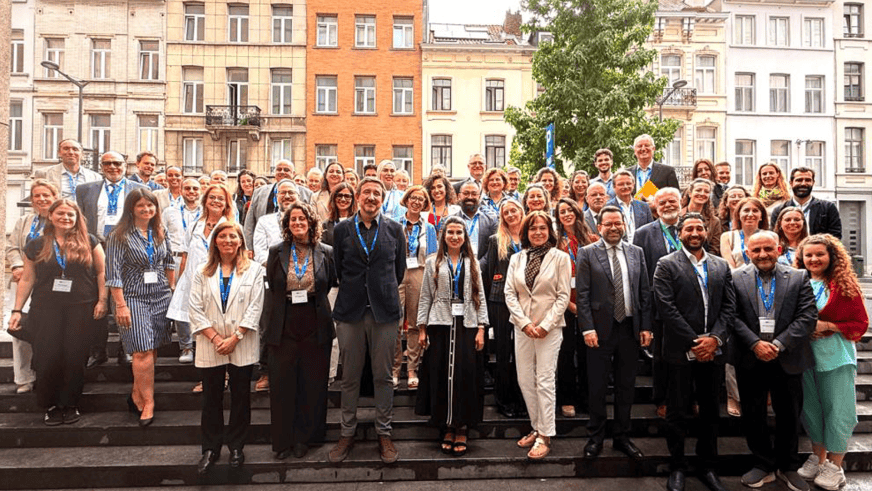
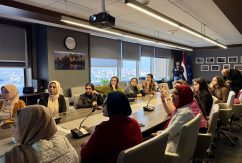
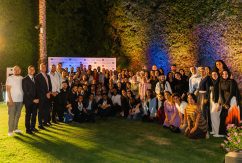
On 23 July, the European Commission’s Directorate-General for the Middle East, North Africa and the Gulf (DG MENA), in collaboration with the European Institute of the Mediterranean (IEMed), brought together civil society representatives in Brussels for a new round of consultations on the implementation of the Pact for the Mediterranean. The event was also supported by Med Dialogue for Rights and Equality II (MDRE II).
The Pact for the Mediterranean is built on the principles of co-ownership, co-creation and shared responsibility. Following the consultations with the civil society ahead of the launch of the Pact in late 2025 and the first iteration of its Action Plan, how can the civil society help shape the practical rollout of specific initiatives on the ground?
Close to 80 civil society organisations, social economy actors, youth and women-led organisations, research institutions and regional networks from across the Mediterranean partook part to the consultation — reflecting the breadth of actors that the Pact for the Mediterranean aims to engage as it moves ahead in its implementation. The consultation opened with a plenary session, with remarks from Francisco Gaztelu Mezquiriz, Director for North Africa at DG MENA, and Senén Florensa, Executive President of IEMed.
Participants then followed three parallel focus groups, each exploring how civil society knowledge can inform three specific initiatives under the Pact’s Action Plan: community preparedness and disaster-risk awareness under Mediterranean Disaster Preparedness; safe and effective community engagement under MED-SECURE; and inclusive entrepreneurship, social economy and decent job creation under StartUp4Med.
Countries covered:
-
 Algeria
-
Egypt
-
Israel
-
Jordan
-
Lebanon
-
Libya
-
Morocco
-
Palestine *
-
Syria
-
Tunisia