




















 Algeria
 Bahrain
 Egypt
 Iran
 Iraq
 Israel
 Jordan
 Kuwait
 Lebanon
 Libya
 Morocco
 Oman
 Palestine *
 Qatar
 Saudi Arabia
 Syria
 Tunisia
 United Arab Emirates
 Yemen
More than honey: the bee economy is taking root across the Mediterranean


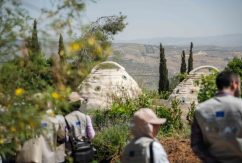
At the Royal Botanical Garden in Amman, agricultural students are discovering how bees connect biodiversity, agriculture and ecosystem health. Beyond their role as honey producers, these essential pollinators are at the heart of PLANBEE, a project funded by the Interreg NEXT MED Programme, which brings together biodiversity conservation, sustainable beekeeping, women’s entrepreneurship and the development of tourism trails to create new opportunities for communities across the Mediterranean.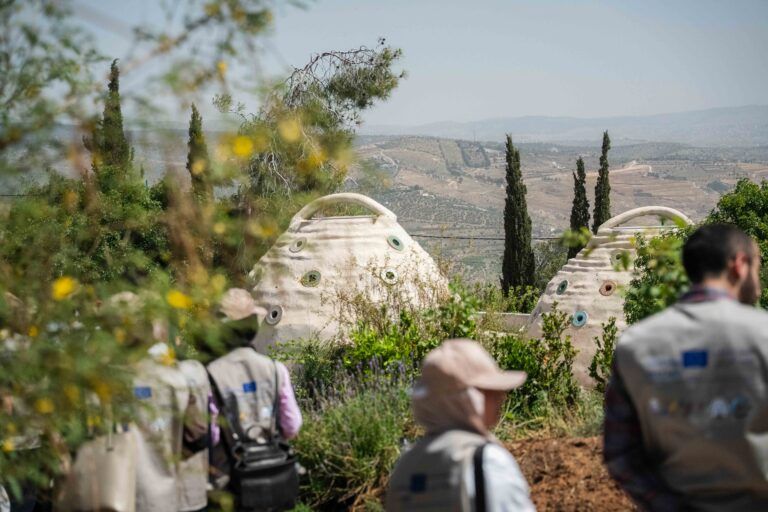
Where bees and biodiversity meet
Tiny as they are, bees carry enormous responsibility. According to the Food and Agriculture Organisation (FAO), around one-third of food production depends on pollinators, while nearly 90% of wild flowering plants rely on them to reproduce. Yet across the Mediterranean region, climate change, pesticides, habitat loss, and droughts are putting growing pressure on bee populations and the ecosystems connected to them.
“The native plant species can support bees because they have evolved together over time” explains Eng. Ghadeer Qasim Abu Eid, representative from the Royal Botanical Garden. “These plants provide pollen and nectar throughout the seasons, in harmony with the bees’ life cycle. Without bees, our ecosystem would be severely affected and many plant species and agricultural systems would not survive” she adds.
Linking environmental solutions with business development
PLANBEE brings together seven partners from Cyprus, Egypt, Italy, Lebanon, Palestine, and Jordan with the idea that protecting bees can also create economic opportunities for rural communities. Over the next three years, the project aims to train at least 120 entrepreneurs and support more than 1,000 beneficiaries through sustainable beekeeping practices, the use of smart hive technologies – digital tools that enable beekeepers to monitor the health and activity of bee colonies- branding initiatives, and the development of apitourism activities.
Apitourism offices are planned across participating countries to connect visitors with local producers and biodiversity sites. “With the fact that most of the Earth’s green cover depends on bees, we believe there is no other plan for the planet other than PLANBEE” says Nawal Hassan, project manager in Jordan. The project focuses especially on small producers and rural entrepreneurs who often struggle with limited access to markets and stable income. “PLANBEE links environmental solutions with business development,” Nawal explains. “We want people to see the bee economy as a real opportunity for sustainable income and local development.”
Women at the heart of the hive
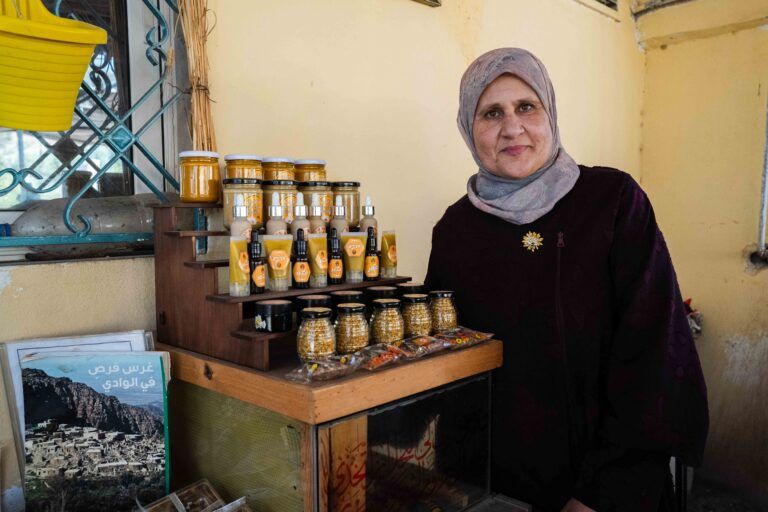
Women entrepreneurs are one of the project’s driving forces through the MED Queen Bee initiative developed by the project, which aims to train and certify women working in beekeeping and honey-related businesses across the Mediterranean.
For beekeeper Mona Asaad Al-Manfalouti, beekeeping has gradually become much more than a small agricultural activity. “Beekeeping is a very productive and profitable project for the family,” she says. “It helped us produce different hive products like honey, royal jelly, pollen, propolis and bee venom. It improved our standard of living and created work opportunities for family members. It became a family business, not just an individual one.”
Spring is the busiest season inside the apiary, with days revolving around honey harvesting, pollen collection, colony inspections, and queen rearing. But for Mona, the work is also about passing knowledge to younger generations. “We aspire to a better future for bees through community education” she explains. “We start with children and schools, teaching them how to protect bees, preserve nature, and plant more nectar-producing trees.”
 Discovering biodiversity through tourism
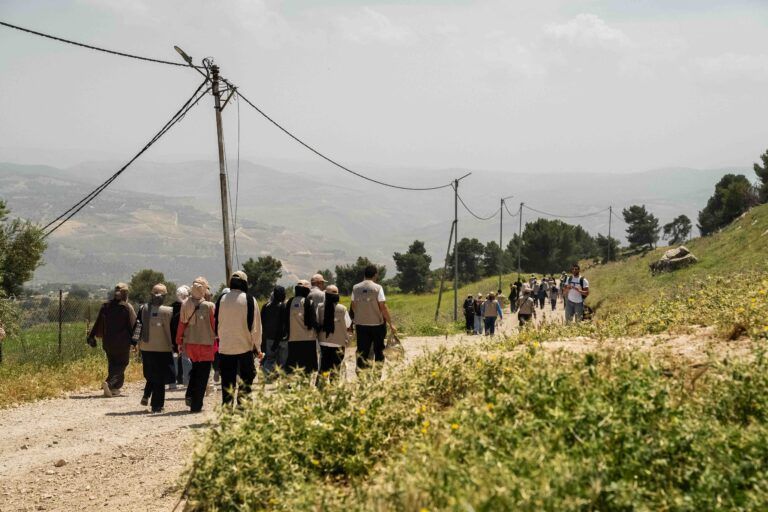
Beyond beekeeping itself, PLANBEE also promotes apitourism through HoneyBeeRoutes, tourism experiences centred around the world of bees, local products, and biodiversity. Visitors can walk through natural areas, meet beekeepers, discover traditional honey production methods, and learn about pollinators through interactive activities. “One of our beneficiaries are also people working in tourism. We are creating routes where people can discover bee life, see the hives, and enjoy the whole experience.” says Nawal. For project partners, the idea is not only to attract visitors, but also to reconnect people with biodiversity and rural life in a more direct and engaging way.
A shared Mediterranean challenge
Bees do not stop at borders, and neither do the environmental pressures threatening them. Through cooperation between organisations across the Mediterranean, PLANBEE aims to strengthen biodiversity protection, sustainable agriculture, and rural resilience. In Jordan, what begins as a simple educational visit among native plants and beehives, quickly opens onto a bigger reality: protecting pollinators also means protecting a variety of life, food systems, and rural livelihoods across the region.
Originally written by Adrienne Hurtut and published by Interreg TESIM NEXT.