













 Algeria
 Bahrain
 Egypt
 Iran
 Iraq
 Israel
 Jordan
 Kuwait
 Lebanon
 Libya
 Morocco
 Oman
 Palestine *
 Qatar
 Saudi Arabia
 Syria
 Tunisia
 United Arab Emirates
 Yemen
From Waste to Wealth: Giving Jordan’s Olive Harvest a Second Life


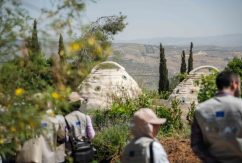
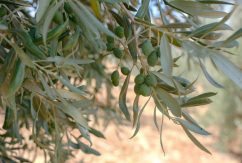
Jordan’s olive groves are more than an agricultural landscape. With more than 20 million trees across the Kingdom, the sector supports rural livelihoods with around 200,000 families involved in the annual olive harvest. “Jordan, like other Mediterranean countries, is distinguished by its olive cultivation, which holds social and religious value in our society” says Dr. Sami Awabdeh, Director of the Livestock Research Directorate at the National Agricultural Research Center (NARC), Jordanian partner in the project ORIENTATE.
But once the olives are harvested and the oil is pressed, the story does not end. Large quantities of solid pomace and wastewater remain, creating a growing waste problem. This is where the project ORIENTATE, funded by the Interreg NEXT MED Programme, comes in. The project brings together researchers, olive mill owners, farmers, and businesses from six partner organisations across Italy, Spain, Lebanon, Jordan and Türkiye. Together, they are exploring how agricultural residues from olives and citrus can be transformed into useful products, creating both environmental benefits and new opportunities for rural communities.
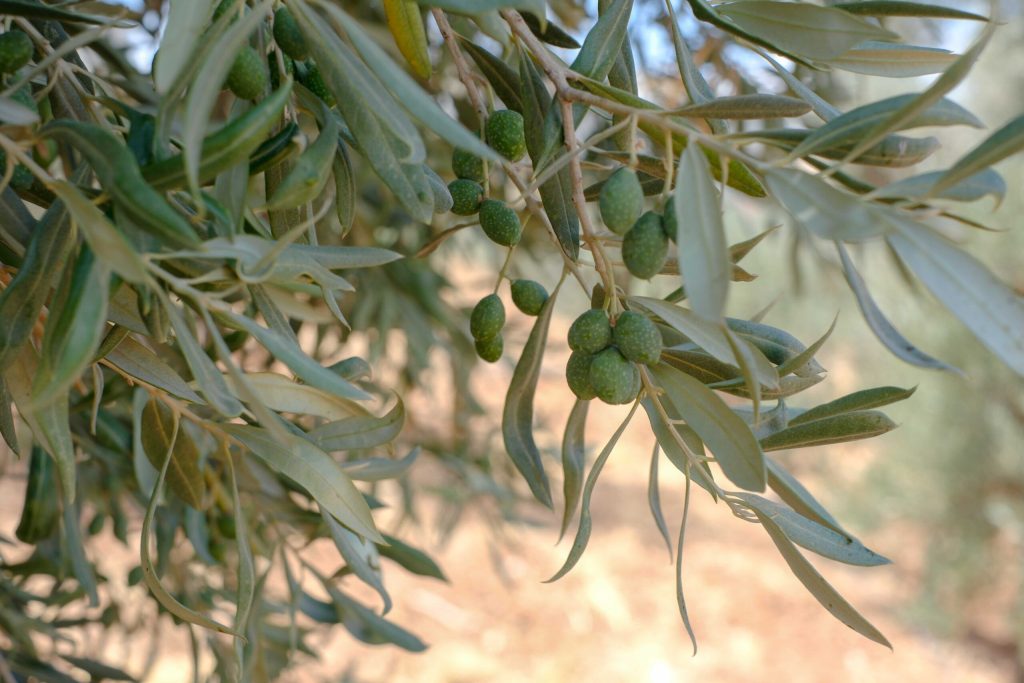
When olive oil leaves a problem behind
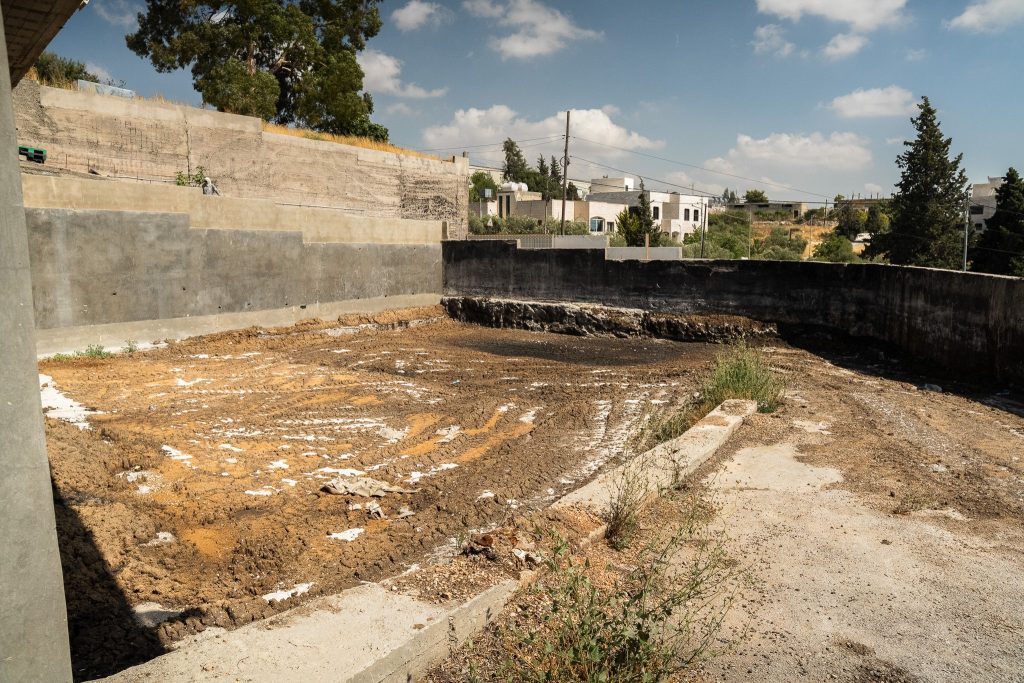
At olive mills across Jordan, the pressing season, which runs from October to early December, leaves behind large quantities of solid and liquid waste. Solid olive pomace and wastewater can pile up, eventually having to be transported to sanitary landfills. For mill owners, this is not only an environmental challenge, but also a practical and financial burden.
“We cannot keep the waste, and we have to evacuate it weekly or daily, sending it to the official sanitary landfills, which costs for transportation” – explains Mohammad Al-Jazzazi, an olive mill owner whose family has been producing olive oil for around 60 years. According to the ORIENTATE team, the liquid waste is particularly demanding, requiring special containers and trucks for transport.
Considering waste as pure raw material
The idea is simple: the waste produced by one activity becomes the raw material for another one, creating a model for a more sustainable, circular and resilient agricultural future.
In Jordan, ORIENTATE is exploring such ways to valorise olive waste. “Solid olive pomace can be used as a resource for animal feed” – explains Dr. Alaa Wahbeh, ORIENTATE project manager and Head of Climate Change and Drought monitoring Research Department at NARC – “While olive mill wastewater offers two potential routes: it can be incorporated into animal feed after an appropriate treatment, or its polyphenols can be extracted for use in the cosmetic and pharmaceutical field, since they are natural antioxidants very appreciated for skincare benefits.“
For local cosmetic producers such as Mahmoud Arabiyat, the idea is particularly promising. He has been looking for affordable sources of polyphenol, traditionally obtained from more expensive products like bee propolis. “If we can extract it from olive wastewater, it will save us a lot of money and efforts.”
For farmers, the project is addressing another familiar challenge: “We face many problems, and one of the most significant is the cost of animal feed” – says Ahmad Al-Balawneh, a livestock farmer. “Any crop or byproduct from our country that improves production and reduces feed costs is essential.”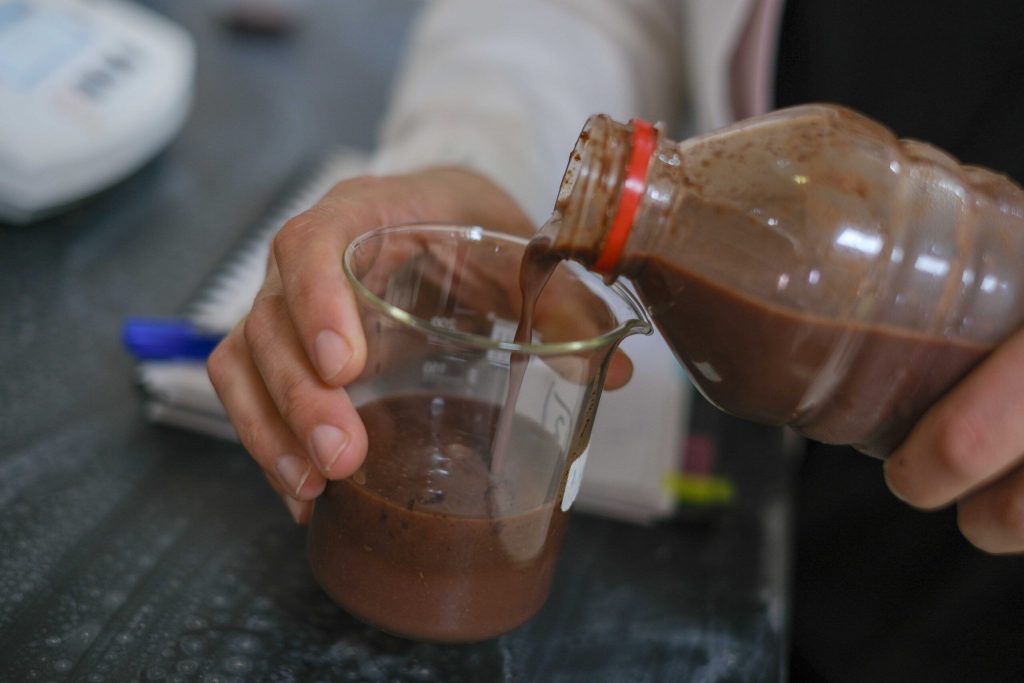
From the laboratory to the olive mills
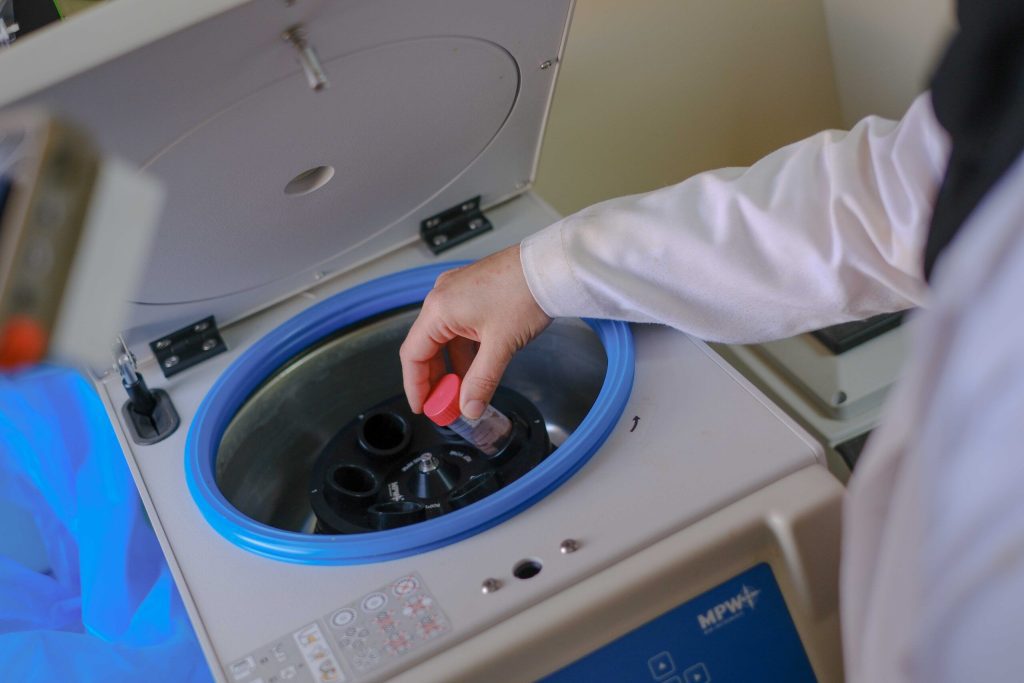
Turning a problematic liquid into something useful is a process that begins in the laboratory, where researchers focus on two main challenges: making the wastewater safe and extracting its hidden value.
First, the wastewater must be treated. Raw olive waste is too acidic and harsh to be used as it is. In the lab, researchers clean it by removing solid particles, balancing its acidity, and using natural microbes to break down harmful compounds. The result is a stabilised compound that can potentially be turned into animal feed.
But the wastewater also contains a hidden treasure: the polyphenols. To recover them, researchers pass the liquid through a series of fine filters, separating the polyphenols from the water and concentrating them into a nutrient-rich extract available for use in the cosmetic and pharmaceutical industry.
The real challenge, however, is moving these solutions out of the laboratory and into the olive mills themselves. ORIENTATE is exploring ways to make this happen through three pilot sites and one lab in each Partner Country.
For animal feed, the setup is relatively straightforward. Mill owners can install a compact, automated system that neutralises the wastewater and mixes it with dry ingredients like straw or leftover olive pomace. The result is a nutritious, fibrous feed that can be sold to local livestock farmers.
Extracting polyphenols is more complex because the final product must meet the high standards of the cosmetics industry. But modern technology offers a solution: automated filtration systems that do the work without the need for dangerous chemicals. These systems use a series of fine membranes to separate the valuable polyphenols from the water, producing a concentrated liquid extract that can be sold as a premium ingredient.
Learning across borders
Training and knowledge exchange are central to ORIENTATE. Through workshops, job shadowing and hands-on learning in Italy and Spain, local professionals from Partner Countries will learn how to handle and process agricultural residues, apply the techniques developed through the project, and understand how the resulting products could be used and brought to market. By the end of the projects, more than 550 people are expected to take part in project activities, including 90 trained professionals. “We are training farmers and olive oil producers”, – explains Alaa Wahbeh, “but also the people who are working at the olive mills, the cosmetics manufacturers, the researchers. The purpose is for them to know how to extract these valuable elements themselves, how to do the valorisation.”
The knowledge gained is shared across the Mediterranean through three country-specific pilots: olive waste for animal feed and polyphenol extraction in Jordan and Lebanon, and citrus waste for animal feed in Türkiye. “One of the most powerful tools that the Interreg NEXT MED and the European Union projects empower is cooperation among the Mediterranean countries” – says Alaa. Different crops, different markets, but one shared goal: a more sustainable, circular economy.
Originally written by Adrienne Hurtut and published by Interreg TESIM NEXT under the title The second life of olive waste is worth more than you think