





















 Algeria
  Bahrain
  Egypt
Egypt  Iran
Iran  Iraq
Iraq  Israel
  Jordan
  Kuwait
  Lebanon
  Libya
Libya  Morocco
  Oman
Oman  Palestine *
  Qatar
Qatar  Saudi Arabia
  Syria
Syria  Tunisia
  United Arab Emirates
  Yemen
Yemen EmpowerNEET Trains 55 Participants in Tunisia to Turn Community Challenges into Social Innovation


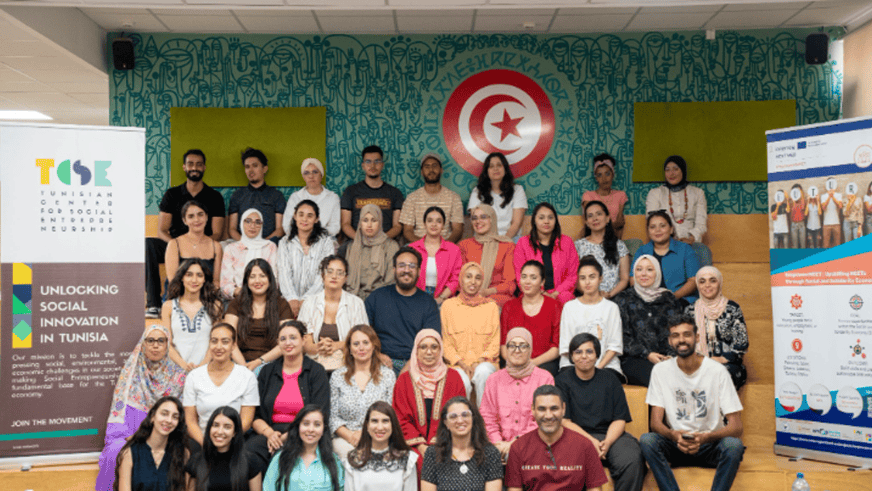
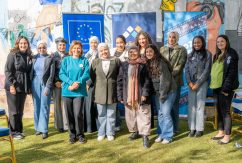
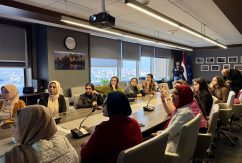
EmpoweerNEET Cycle 2 Tunisia marked another important milestone in the project’s capacity-building programme. Implemented by the Tunisian Center for Social Entrepreneurship (TCSE), the second training cycle equipped 55 young people with practical knowledge and tools to transform community challenges into sustainable social entrepreneurship opportunities through the principles of the Social and Solidarity Economy (SSE). Building on the personal development and employability skills acquired during Cycle 1, participants shifted their focus from understanding themselves to understanding the needs of their communities. Consequently, they explored how social entrepreneurs identify problems, engage stakeholders, and design solutions that create lasting social, environmental, and economic impact.
The training programme introduced participants to the foundations of Social Entrepreneurship, Social and Solidarity Economy (SSE), and problem-solving methodologies. However, rather than starting with business plans, trainers encouraged participants to begin by analysing real community challenges. Throughout the programme, participants practised observation techniques, stakeholder mapping, active listening, and community needs assessment. Moreover, they learned how to distinguish assumptions from evidence and identify the root causes of social and environmental issues before proposing solutions.
Working in multidisciplinary teams, the 55 participants represented diverse educational and professional backgrounds, including engineering, healthcare, digital marketing, information technology, pharmacy, crafts, and creative industries. Together, they analysed community challenges, identified affected stakeholders, examined root causes, and explored opportunities for sustainable intervention. Furthermore, the collaborative environment encouraged participants to exchange experiences and combine different perspectives. This process demonstrated that innovation grows stronger when diverse knowledge and expertise come together.
Cycle 2 also helped participants understand that social entrepreneurship creates value beyond financial returns. During practical workshops and group discussions, participants explored how social enterprises can simultaneously generate economic sustainability, social impact, and environmental value. In addition, they learned how these dimensions reinforce one another when designing inclusive and resilient business models. Instead of viewing Tunisia’s socio-economic challenges as barriers, participants increasingly viewed them as opportunities for innovation and positive change.
Following the successful completion of Cycle 2, participants will continue their learning journey through the upcoming training cycles. They will further develop business models, strengthen entrepreneurial and digital competencies, and refine their project ideas with continued mentoring and practical learning activities. Consequently, participants will be better prepared to launch sustainable initiatives that address local challenges while creating long-term value for their communities.
EmpoweerNEET brings together partners from Palestine, Spain, Greece, Lebanon, Tunisia, and France. The project is co-funded by the European Union through the Interreg NEXT MED Programme, promoting cooperation for a smarter, greener, more inclusive, and better-governed Mediterranean region.
Countries covered:
-
 Tunisia