


























 Algeria
  Bahrain
  Egypt
Egypt  Iran
Iran  Iraq
Iraq  Israel
  Jordan
  Kuwait
  Lebanon
  Libya
Libya  Morocco
  Oman
Oman  Palestine *
  Qatar
Qatar  Saudi Arabia
  Syria
Syria  Tunisia
  United Arab Emirates
  Yemen
Yemen Evaluation of EIB support for agriculture and bioeconomy outside the European Union
January 31, 2025
Share on 


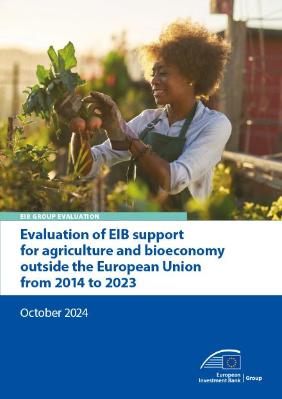
The evaluation analyses the relevance of the EIB offer, the results achieved and the strengths and limitation of the EIB’s business model for the sector. EIB activities were aligned and evolved with EU policy priorities on climate action, gender and food security. The EIB addressed market failures, providing what the market would not have provided. The projects reviewed were well implemented, sustained, and contributed to modernization. But the EIB’s contribution to development outcomes—and its ability to monitor projects for these outcomes—was limited.
Evaluation of EIB support for agriculture and bioeconomy outside the European Union
Related Publications