





















 Algeria
 Bahrain
 Egypt
 Iran
 Iraq
 Israel
 Jordan
 Kuwait
 Lebanon
 Libya
 Morocco
 Oman
 Palestine *
 Qatar
 Saudi Arabia
 Syria
 Tunisia
 United Arab Emirates
 Yemen
EU Statement on International Day to End Impunity for Crimes against Journalists


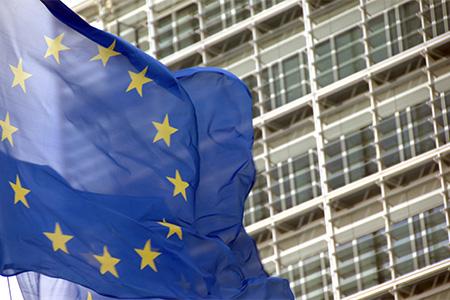
Marking the International Day to End Impunity for Crimes against Journalists, the European Union reaffirms its steadfast commitment to freedom of expression and media freedom and recalls the indispensable role of free, independent and pluralistic media. Across the world, journalists and other media actors continue to face violence, intimidation, arbitrary detention and surveillance. Such acts not only undermine freedom of expression and the public’s right to receive information, but also weaken democratic accountability and the rule of law.
Journalists reporting from situations of armed conflict or investigating corruption, organised crime, human rights violations, migration, climate change and other matters of public interest remain particularly exposed. At the same time, the evolving digital environment has brought new and increasingly sophisticated threats, including online harassment, doxing, coordinated campaigns, misinformation and disinformation and AI-generated or manipulated content. Women journalists continue to be disproportionately targeted by gender-based and technology-facilitated violence. Transnational repression is becoming more common and more sophisticated, targeting also journalists in exile These challenges underscore the need for effective preventive measures and appropriate safeguards, both online and offline.
States have responsibility to prevent violence, ensure the safety of journalists at risk and conduct impartial and effective investigations into attacks against them. Those responsible must be brought to justice. Failure to ensure accountability risks fostering a climate of impunity, with a chilling effect on journalism and democratic participation.
Throughout 2026, the EU has continued to consolidate its legal and institutional framework: the implementation of the European Media Freedom Act strengthens safeguards for editorial independence and journalistic sources, including protection against unlawful surveillance. The Anti-SLAPP Directive, provides further safeguards for journalists, human rights defenders and other public watchdogs facing abusive legal proceedings. The EU remains equally committed to supporting journalists at risk, including in exile and in conflict environments.
Countries covered:
-
 Algeria
-
Bahrain
-
Egypt
-
Iran
-
Iraq
-
Israel
-
Jordan
-
Kuwait
-
Lebanon
-
Libya
-
Morocco
-
Oman
-
Palestine *
-
Qatar
-
Saudi Arabia
-
Syria
-
Tunisia
-
United Arab Emirates
-
Yemen