






















 Algeria
 Bahrain
 Egypt
 Iran
 Iraq
 Israel
 Jordan
 Kuwait
 Lebanon
 Libya
 Morocco
 Oman
 Palestine *
 Qatar
 Saudi Arabia
 Syria
 Tunisia
 United Arab Emirates
 Yemen
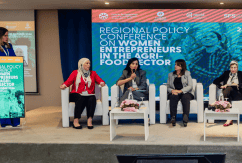
Women entrepreneurs in agri-Food systems take centre stage at UfM Regional Policy Conference in Tunisia


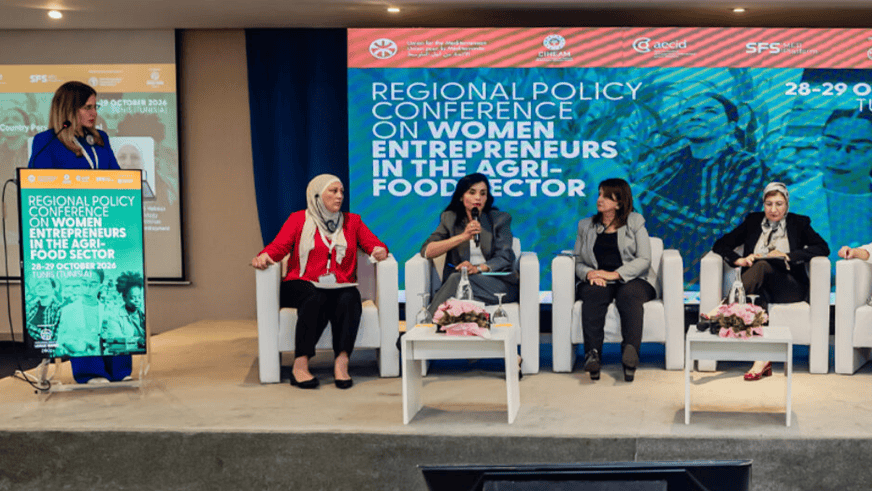
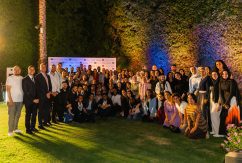
The Union for the Mediterranean (UfM) gathered more than 120 representatives from governments, EU Delegation in Tunisia, international organisations and donors (UN WOMEN, UNIDO, UNDP, AECI, GIZ), impact funds, micro-finance institutions, research centres, entrepreneurship support organisations, and women entrepreneurs from Algeria, Egypt, Jordan, Lebanon, Morocco, Palestine and Tunisia for a two-day Regional Policy Conference dedicated to advancing innovation and entrepreneurship in agri-food systems.
A key highlight of the conference was the presentation and discussion of the draft Regional Policy Agenda 2026–2030 on Innovation for Women Entrepreneurs in Agri-Food Systems, developed through a participatory process involving stakeholders from seven Southern Mediterranean countries. Discussions contributed to refining the Agenda’s priorities and identifying concrete actions for its future implementation
“The Regional Policy Agenda 2026–2030 is our response to this challenge. It aims to strengthen existing ecosystems, connect institutions and help women entrepreneurs turn innovation into viable businesses that create lasting economic and social impact.” highlighted Deputy Secretary General for Human Development, Petra Kezman, in her opening message.
Throughout the two days, participants engaged in policy dialogues, thematic panels and interactive working sessions focusing on innovation, financing, entrepreneurship support ecosystems and women’s leadership. Attention was given to fostering stronger cooperation between public institutions, financial organisations, academia, private-sector actors and development partners.
Women entrepreneurs themselves played a central role in the discussions, sharing first-hand experiences on the opportunities and barriers encountered when developing and scaling innovative agri-food businesses. Their testimonies reinforced the importance of ensuring that policy interventions respond to the realities and needs of women operating across agricultural value chains.
Countries covered:
-
 Tunisia