






















 Algeria
  Bahrain
  Egypt
Egypt  Iran
Iran  Iraq
Iraq  Israel
  Jordan
  Kuwait
  Lebanon
  Libya
Libya  Morocco
  Oman
Oman  Palestine *
  Qatar
Qatar  Saudi Arabia
  Syria
Syria  Tunisia
  United Arab Emirates
  Yemen
Yemen Waste2Fashion partners advance pilot implementation during the 2nd Steering Committee in Brussels


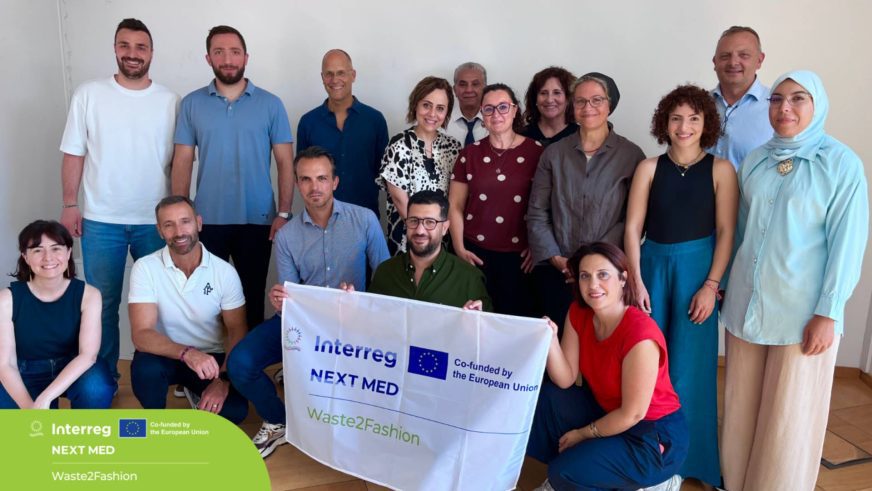
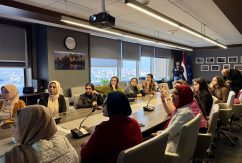
On 26 June 2026, the Waste2Fashion consortium gathered in Brussels for the project’s 2nd Steering Committee, held immediately after the Textiles Recycling Expo (2425 June). The meeting represented an important milestone in the project’s first implementation phase, allowing partners to review progress, coordinate upcoming activities and prepare the launch of the project’s pilot actions across the Mediterranean.
A central focus of the meeting was the project’s pilot implementation component. Partners reviewed the results of the technical needs assessment carried out over the past months, which included questionnaires, bilateral meetings and country-specific analyses to identify the most appropriate technological solutions for each pilot. This work is now being consolidated into a technical framework and a blueprint that will guide the implementation of the five national pilots while adapting to each country’s specific context and needs. During the discussions, partners validated the proposed approach and agreed that the blueprint should not only serve as a technical guide for implementation but also contribute to building a common narrative that demonstrates how the different pilot models complement one another within a Mediterranean circular textile value chain.
The meeting highlighted the diversity of approaches that Waste2Fashion will demonstrate across the Mediterranean. While some pilots focus on improving textile collection and sorting systems, others will prioritise reuse, upcycling or recycling according to local needs and existing ecosystems. Partners discussed the importance of adapting the technical solutions to each territorial context while maintaining a shared methodological framework. Particular attention was given to the Tunisian pilot, where discussions recognised the need to progressively build local capacities for post-consumer textile collection, drawing on the expertise available within the consortium. The consortium also exchanged views on the different valorisation pathwaysreuse, repurposing, upcycling and recyclinghighlighting that each requires specific sorting criteria and technological solutions. Partners agreed that these complementary approaches will generate valuable technical knowledge and practical experience that can later be transferred to other Mediterranean territories.
Countries covered:
-
 Egypt
Egypt
-
Lebanon
-
Tunisia