






 Algeria
  Bahrain
  Egypt
Egypt  Iran
Iran  Iraq
Iraq  Israel
  Jordan
  Kuwait
  Lebanon
  Libya
Libya  Morocco
  Oman
Oman  Palestine *
  Qatar
Qatar  Saudi Arabia
  Syria
Syria  Tunisia
  United Arab Emirates
  Yemen
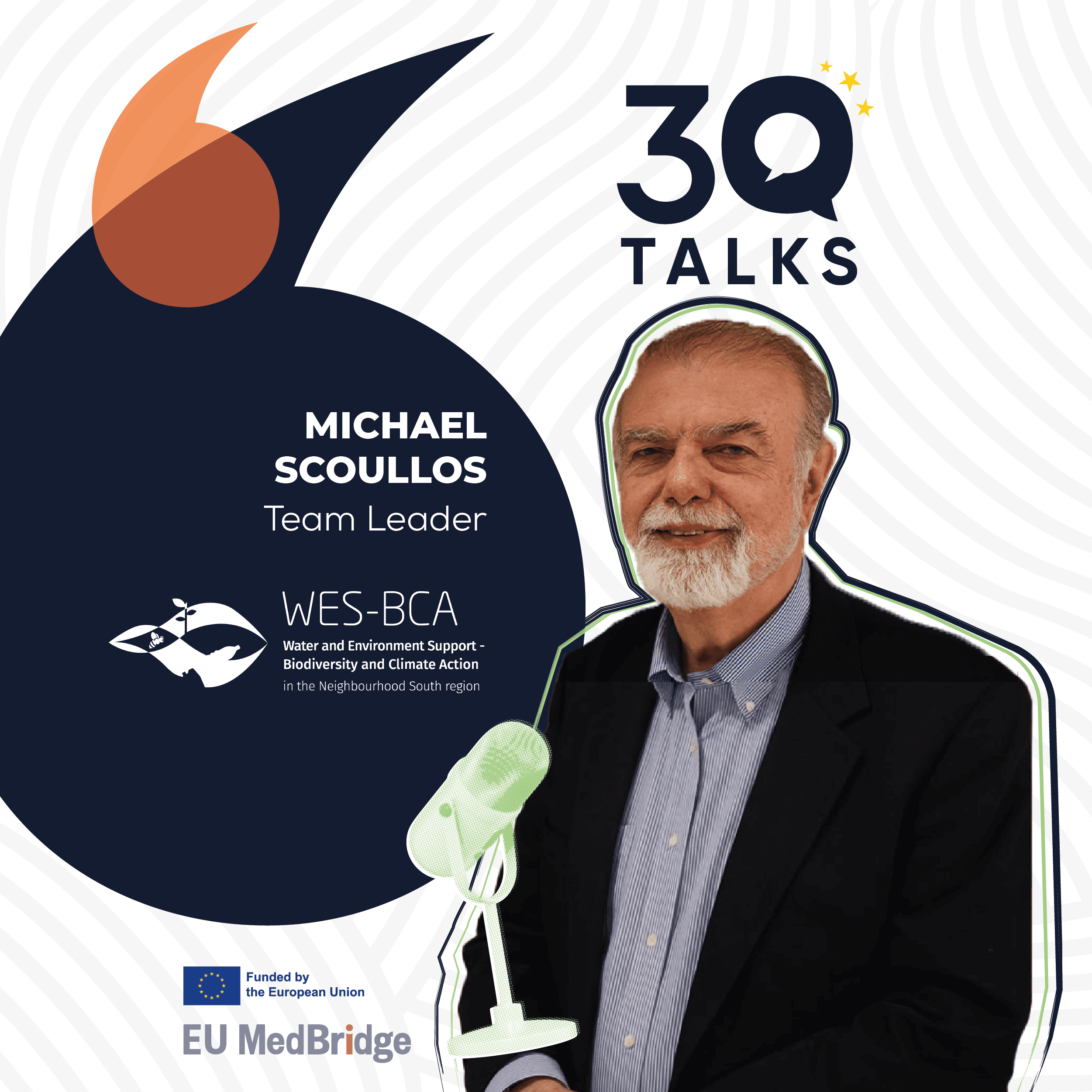
Yemen 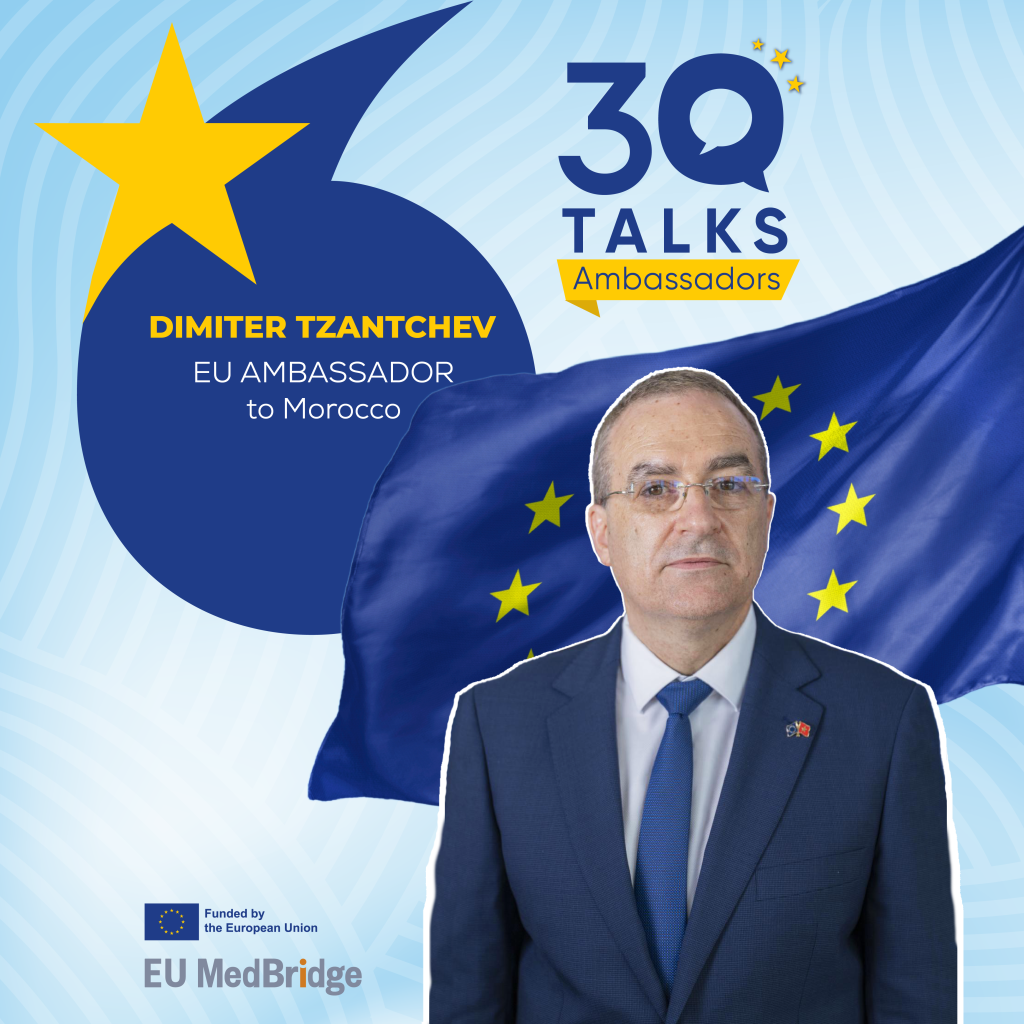 Marking Europe Day, the May edition of 3Q Talks brings together a series of conversations with EU ambassadors, highlighting partnerships, shared priorities, and future opportunities across the region.EU Ambassador to Morocco Dimiter Tzantchev reflects on the evolving relationship between the European Union and Morocco and its direct impact on citizens’ daily lives through cooperation in areas such as social development, education, economic growth, and youth mobility. He also shares his perspective on the meaning of Europe Day as a reminder of the importance of dialogue, cooperation, and shared values.
- What does the EU’s partnership with Morocco look like today, and what are the key areas of cooperation that have the most direct impact on people’s lives?
The partnership between the European Union and Morocco is among the most substantial in our neighbourhood. Above all, it is deeply tangible: rooted in the everyday realities of Moroccan citizens, and in the work of businesses and institutions on both sides of the Mediterranean. When Morocco launches a major social reform such as the expansion of universal health coverage, the European Union is there to support it. When a business looks to grow or a young person seeks to seize an opportunity abroad, this partnership opens doors and creates pathways. Our trade exceeds 60 billion euros per year and has grown fivefold over the past twenty-five years. These are not abstract figures; they tell a human story: of jobs created, ambitions realised, and greater stability for our societies. On the great challenges ahead, such as the energy transition, we are already moving forward together, notably through the Green Partnership signed in 2022. We are now entering a new phase, where we want to go further still on competitiveness, digital transformation and youth. The last Association Council, in January 2026, confirmed this shared ambition. That is what gives this partnership its strength.
- Europe Day marks a moment of reflection on peace and unity. What does this date mean in the context of EU-Morocco relations, and why is it relevant for young people in the region?
In a world that is fragmenting, it is more necessary than ever to restore meaning to the words we use. We often speak of “partnership”, “cooperation”, and “shared values”. Yet these words are neither abstract nor decorative; they reflect political and human choices, choices that engage real people and give shape to concrete projects. That is what Europe Day invites us to remember each year. It is also what defines the relationship between the European Union and Morocco: a living partnership, grounded in reality. This closeness, and our ability to sustain an open and regular dialogue, are precious assets as we confront today’s global challenges together. For young people in particular, this day can serve as an invitation: what kind of world do I want to live in? What bridges do I want to build? Europe and Morocco offer a shared answer to these questions: an answer rooted in cooperation.
- If you could speak directly to young people in Morocco, what would you want them to know about the EU, and what message of encouragement would you share?
If I could speak directly to young Moroccans, I would tell them never to underestimate the power of their curiosity. The world, and even more so in the times we are living through, needs people who ask questions and refuse ready-made answers. I would also tell them that Europe is already in their daily life. It is present in their education, in programmes that offer mobility opportunities like Erasmus+, or in many projects being built around them. This partnership between the European Union and Morocco belongs to them too. It is theirs to shape, expand, and redefine.